

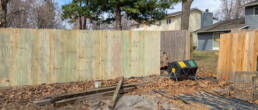
A fence takes on a lot over the years. Wind, snow, freeze-thaw cycles, and everyday wear from pets, kids, and mowers all add up, and it is not always obvious when a small issue has turned into a bigger problem. Some damage is easy to spot, like a leaning post or a missing panel. Other signs are more subtle and easy to miss until the fence fails right when you need it most, whether that is during a storm, a backyard gathering, or the moment your dog decides to test a weak spot.
Whether you have a wood, vinyl, chain link, or aluminum ornamental fence, knowing what to look for can help you catch problems early and decide whether a repair will do the job or if it is time to think about replacement. Homeowners across central Iowa deal with a unique mix of challenges, from harsh winters and heavy spring rain to the everyday bumps and scrapes that come with an active household. Below, we walk through seven signs worth paying attention to, along with what they usually mean for your fence, your safety, and your budget.
Signs of Wear That Usually Mean It Is Time for Repair
Some fence problems are isolated and manageable. These issues tend to affect a section or two rather than the entire structure, which is why a targeted repair is often enough to fix them without the cost or disruption of a full replacement.
1. Loose or Wobbly Posts
A post that shifts when you push on it is one of the most common issues we see across central Iowa yards. This usually happens when a post was not set deep enough, when the original footing was poured with concrete that has since cracked, or when the surrounding soil has shifted after heavy rain or repeated freeze-thaw cycles. A wobbly post is not just cosmetic. Left alone, it puts stress on the panels attached to it and can cause the whole section to lean or eventually pull away from the line entirely.
2. Warped, Cracked, or Splitting Boards
Wood fencing is beautiful, but boards can warp, crack, or split over time, especially if they were not properly treated or sealed before installation. Moisture exposure, direct sun, and temperature swings all take a toll on wood over the years. A few damaged boards here and there are usually a straightforward, affordable repair rather than a sign you need an entirely new wood or cedar fence, as long as the posts underneath are still solid.
3. Rust Spots on Metal Fencing
Chain link and aluminum ornamental fencing hold up well against Iowa weather, but surface rust can still appear at welds, joints, or spots where the protective coating has worn thin. This is especially common near gate hardware or where the fence sits closer to sprinklers and standing water. Catching rust early usually means a simple treatment or spot repair rather than a full section replacement.
Signs That Point Toward Replacement
Other issues affect the fence more broadly or point to problems with the original installation rather than normal wear and tear. In these cases, repair may only be a short-term fix, and replacement is often the better long-term investment for your property.
4. Widespread Leaning Across Multiple Sections
If several sections are leaning in the same direction, the issue is usually with the posts or the foundation they were set in rather than one isolated spot. This is common with older fences that used concrete footings, which are more prone to heaving during central Iowa’s freeze-thaw seasons. A modern installation method that avoids concrete altogether tends to hold up much better against this kind of movement over time, since the posts can shift slightly with the ground instead of cracking against a rigid footing.
5. Gaps at the Bottom or Between Panels
Gaps that appear along the ground or between panels can compromise both security and privacy, and they often signal that panels have shifted, that hardware has loosened, or that the fence line has settled unevenly. If pets or small children use the yard, these gaps can also become a safety concern that is worth addressing quickly rather than waiting until the next mowing season to deal with it.
6. A Fence That Is Simply Outdated
Sometimes a fence is still standing but no longer matches your home’s style, your family’s current needs, or updated pool code and HOA requirements. If your fence was installed decades ago, replacing it with a more current style and a stronger post system is often a better use of your budget than repeated patchwork repairs on materials that are past their useful life. This is also a good opportunity to reconsider the fence height, gate placement, or material if your needs have changed since it was first installed.
7. Repeated Repairs on the Same Section
If you find yourself calling for a repair on the same stretch of fence more than once, that is usually a sign of an underlying issue, whether it is drainage, soil movement, or the original materials and installation method used. At some point, replacing that section costs less over time and saves you the hassle of scheduling repeat visits, especially once you factor in the time spent coordinating each individual fix.
Why It Pays to Address Fence Damage Early
Fence problems rarely stay the same size. A single loose post can put pressure on neighboring panels, and a small gap can widen after a few more seasons of Iowa weather. Addressing issues early tends to save homeowners money, time, and hassle down the road, and it usually means a smaller, less invasive fix than waiting until the damage spreads.
- Small repairs are almost always less expensive than large-scale fixes
- A secure, well-maintained fence keeps pets and kids safely contained
- Fences in good repair hold up better against high winds and storms
- Addressing damage early helps maintain your property’s curb appeal and value
- Catching issues early can extend the overall life of your existing fence
This is especially true heading into an Iowa winter, when existing damage can worsen quickly once the ground freezes and thaws. A fence that is only a little unstable in the fall can become a much bigger problem by spring, particularly if water has already found its way into a cracked post or a loose footing. Scheduling an inspection before the seasons change is one of the simplest ways to stay ahead of costly repairs.
Repair or Replace? How We Help You Decide
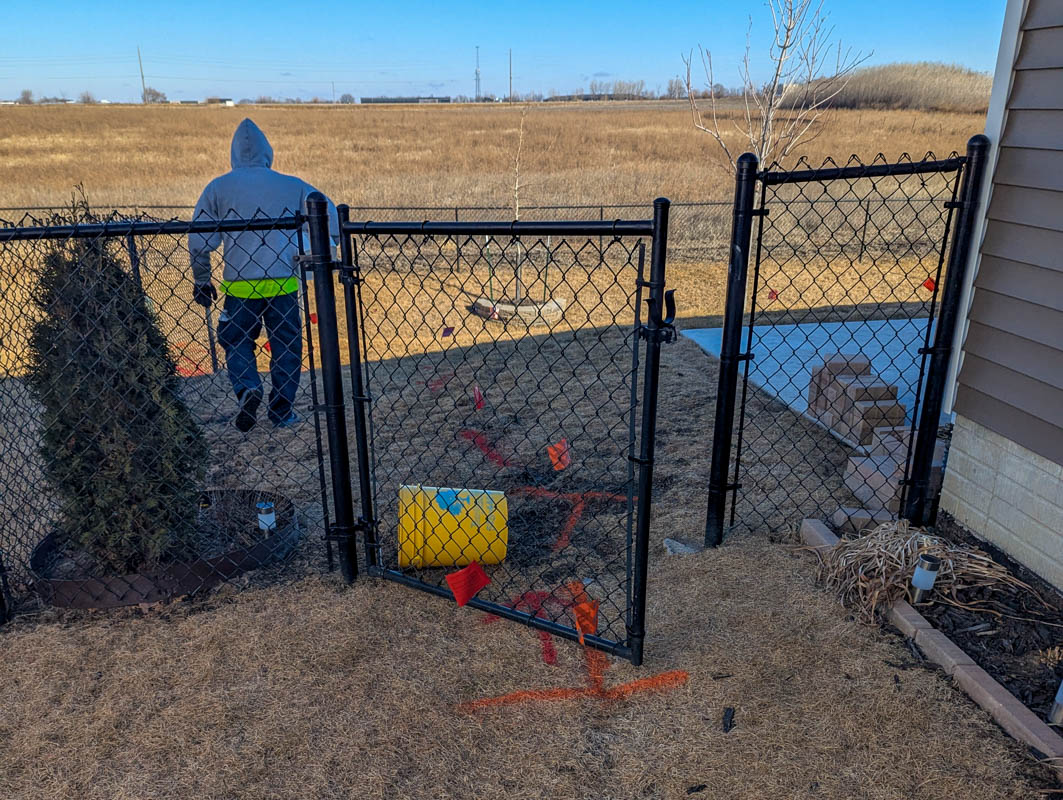
Not every homeowner can tell at a glance whether their fence needs a repair or a full fence repair or replacement. That is where a professional evaluation makes a real difference. When we inspect a fence, we look at the age and condition of the materials, how the posts were originally set, and whether the damage is isolated or spread across the fence line.
In many cases, a wood fence with a few damaged boards can be repaired and blended in with the existing line without much disruption to your yard. In other cases, especially with older fences held in with concrete footings, replacement with a modern system built for central Iowa’s climate ends up being the more reliable choice long term. If you are also considering an upgrade while you are at it, options like vinyl fencing or aluminum ornamental fencing can offer a fresh look with less long-term maintenance than older wood or chain link systems.
We also take into account how your property is used day to day. A family with pets or young children may prioritize security and containment, while a homeowner focused on curb appeal may lean toward a different style altogether. Whatever the goal, the right decision usually comes down to balancing upfront cost against how long the repair or replacement will realistically last, and we walk through those tradeoffs with you before any work begins.
What to Expect During a Fence Inspection
If you are not sure where your fence stands, a professional inspection takes the guesswork out of the decision. During a typical visit, we walk the full fence line with you, checking posts, panels, hardware, and gates for the kinds of issues covered above. We will point out anything we find, explain what is causing it, and give you a straightforward read on whether a repair makes sense or if replacement is the smarter long-term move.
From there, we put together a clear estimate that outlines the recommended work, the materials involved, and the expected timeline. There is no pressure to choose the more expensive option. Our goal is to give you the information you need to make a confident decision about your property, whether that means a quick post repair or a complete fence replacement built to handle whatever the next Iowa winter brings.
A Quick Checklist for Assessing Your Fence
Before you decide whether to repair or replace, walk your fence line and check for the following:
- Posts that wobble or shift when pushed
- Boards or panels that are cracked, warped, or missing
- Rust spots on metal fencing or gates
- Sections that lean in the same direction
- Gaps along the ground or between panels
- A style or height that no longer fits your needs
- Repairs that keep reappearing in the same spot
If you notice two or more of these signs, it is worth having your fence evaluated sooner rather than later. Homeowners throughout Ankeny, West Des Moines, and the surrounding Des Moines metro often reach out once they notice a combination of these issues rather than just one, and getting ahead of the problem almost always costs less than waiting.
Get a Free Estimate for Your Fence Repair or Replacement
Whether your fence needs a quick repair or a full replacement, our team can help you figure out the right path forward. We inspect your fence, walk you through your options, and provide a straightforward recommendation with no pressure and no guesswork, so you know exactly what your property needs and what it will cost to fix it right.
Ready to find out what your fence needs? Get a Free Estimate from our team today, and we will help you protect your property, your family, and your investment for years to come.
Want Practical Fencing Advice?
Get expert tips, central Iowa HOA guidance, material comparisons, installation best practices, and real homeowner insights from the Iowa Fence team in Bondurant.
Like this article? Spread the word!
Related Posts
Iowa Fence’s Guide to HOA and Pool Code Compliant Fencing in Ankeny, IA
Planning a fence or pool enclosure in Ankeny, IA? Learn HOA and pool code requirements…
Wood vs. Vinyl Fencing: Which Holds Up Better in Central Iowa Winters?
Wondering whether wood or vinyl fencing holds up better in Iowa winters? Compare…
How to Prepare Your Yard Before Your New Fence Installation
Get your yard ready before installation day with tips on clearing lines, HOA rules, and…